TSB Mobile App & Core Journeys
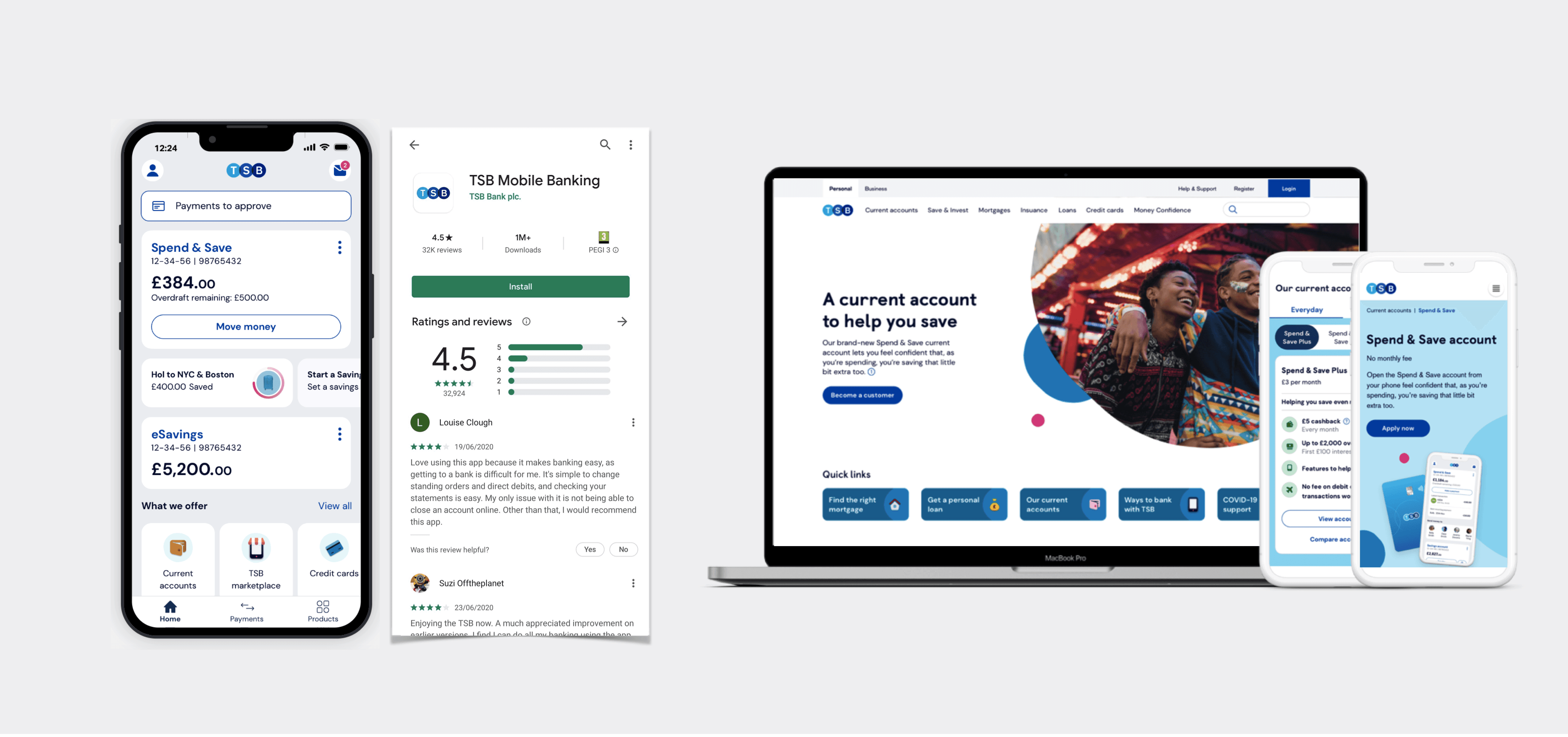
Redesigning trust, onboarding and everyday banking at scale (1.8 → 4.6 app rating)
Company
TSB Bank
Language
English
Date
2018–2023
Project Overview
Overview
When I joined TSB, the mobile experience felt fragmented, inconsistent, and difficult to trust.
The App Store rating had dropped to 1.8, onboarding conversion was low, and customers frequently abandoned key journeys such as identity verification and account setup. Different parts of the app had evolved independently, creating inconsistent experiences and heavy reliance on customer support.
At the same time, many of the design foundations needed for long-term improvement were still immature. Research, testing, reusable patterns, and customer-centred delivery practices were not yet embedded consistently across teams.
This created both a customer problem and a business problem:
low digital conversion
reduced trust
increased servicing costs
slower delivery across teams
Business Goal
The objective was not simply to redesign screens.
The goal was to improve customer trust, increase digital adoption, reduce onboarding drop-off, and create a more scalable product delivery model across the organisation.
The work focused particularly on:
onboarding conversion
trust in high-friction journeys
digital sales growth
consistency across core banking experiences
faster and more efficient delivery
Product Strategy
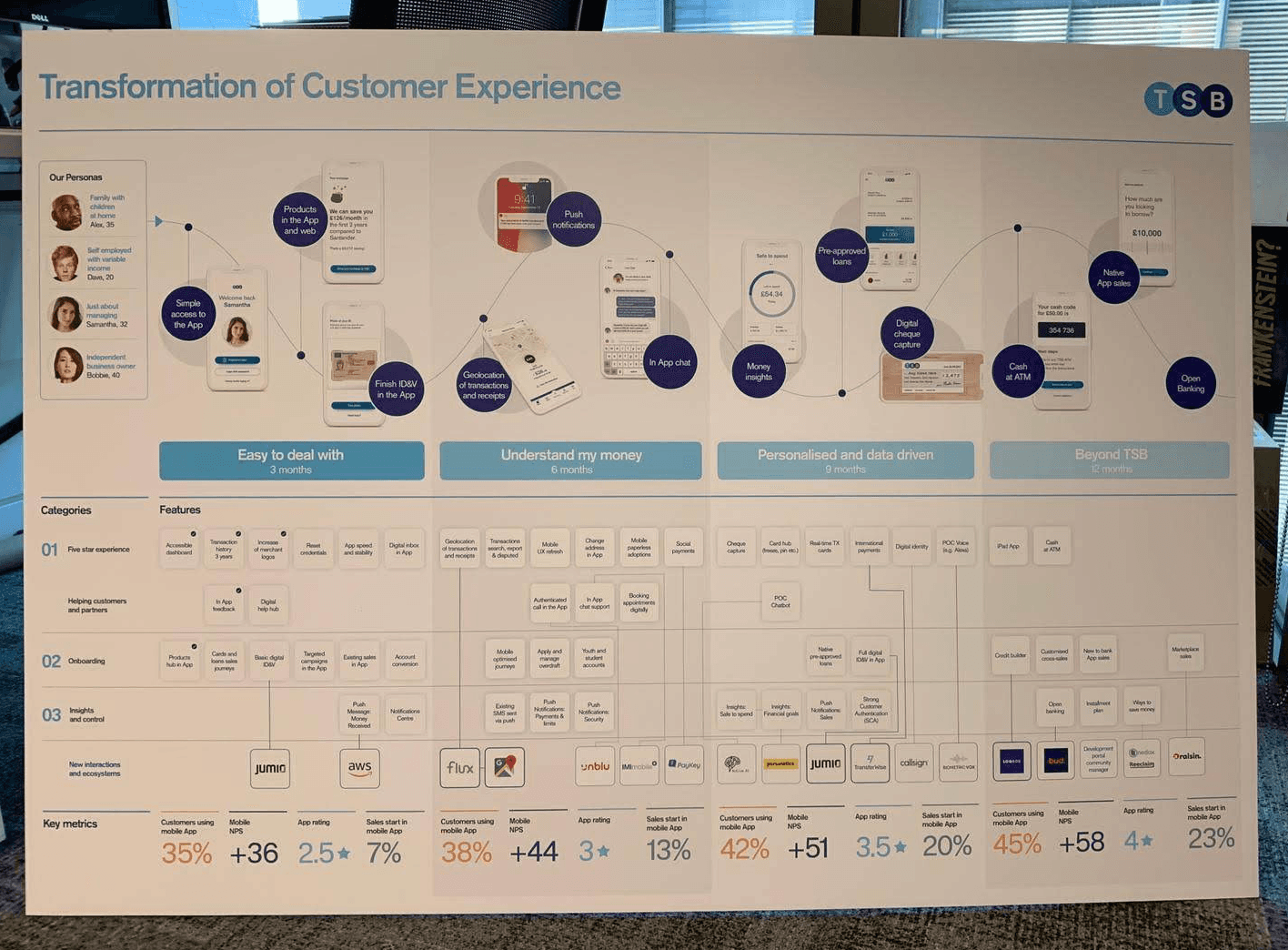
Rather than redesigning the entire app at once, we prioritised the journeys with the highest impact on customer trust and conversion.
Analysis of behavioural data, customer research, app feedback, and frontline servicing issues showed that customers struggled most during moments of uncertainty — particularly onboarding, identity verification, and complex servicing flows.
We focused on reducing cognitive load, making progress visible, improving clarity, and helping customers understand what was happening at each step.
This allowed teams to deliver measurable improvements incrementally instead of relying on large redesign programmes.
Key Design Decisions
Simplifying onboarding and identity verification
Identity verification was one of the highest-friction stages in onboarding and a major source of abandonment.
We redesigned the journey around three principles:
reduce uncertainty
make progress visible
simplify decision-making
Complex steps were broken into smaller actions, clearer guidance reduced confusion, and customers received more transparent feedback throughout the process.
This significantly improved onboarding completion and reduced drop-off during verification.
Creating greater consistency across the app
Different areas of the app had been designed independently over time, resulting in inconsistent patterns and experiences.
I helped establish reusable patterns and contributed to the evolution of the design system to improve consistency, reduce duplication, and enable teams to deliver improvements more efficiently.
This also created a more predictable experience for customers across everyday banking journeys.
Embedding continuous customer-centred improvement
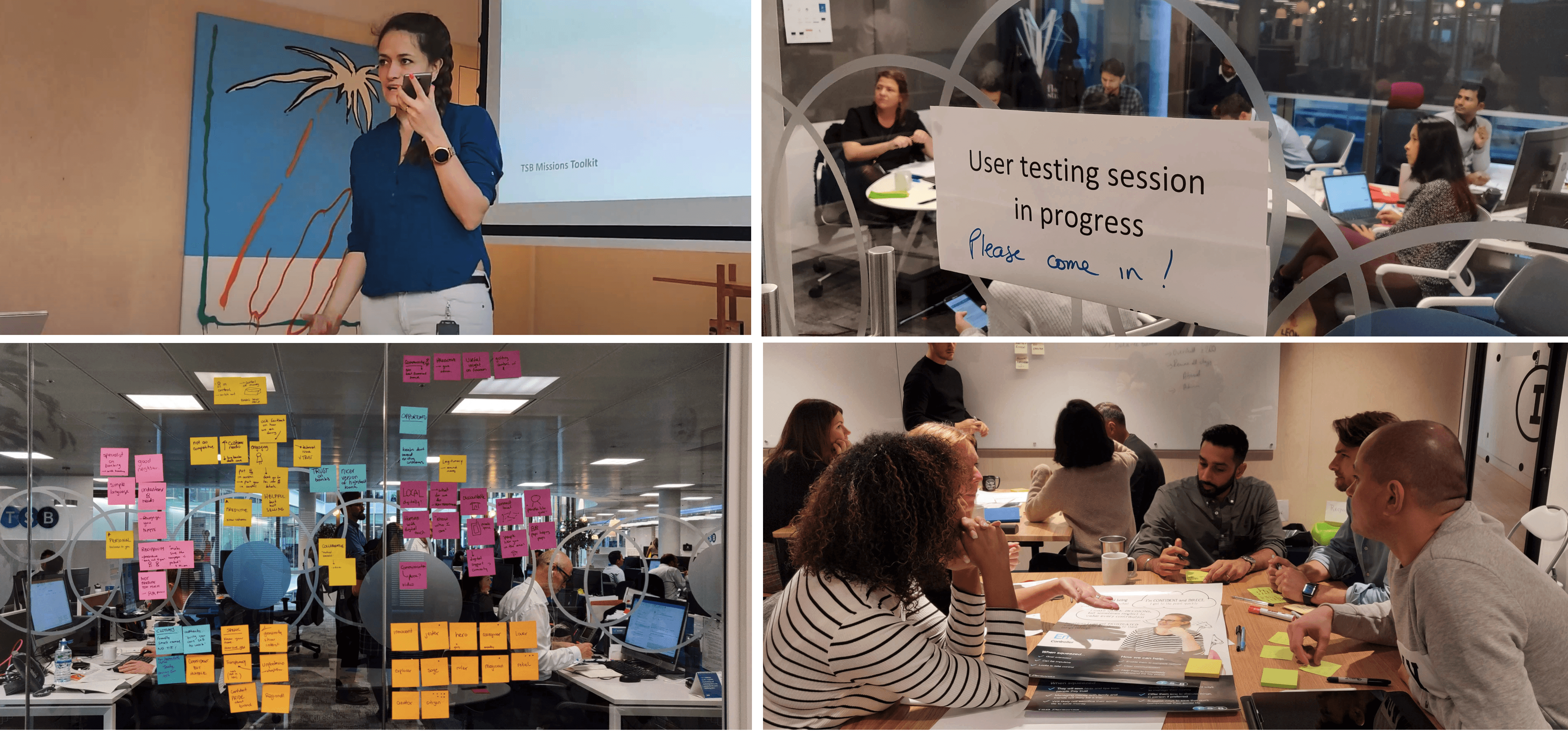
Alongside product redesign, I helped strengthen the organisation’s design capability by:
introducing research and testing tools such as UserZoom / UserTesting
embedding more continuous customer testing practices
supporting customer-centred ways of working across teams
helping teams move from large one-off releases toward iterative optimisation
This created stronger alignment between customer insight, product decisions, and delivery priorities.
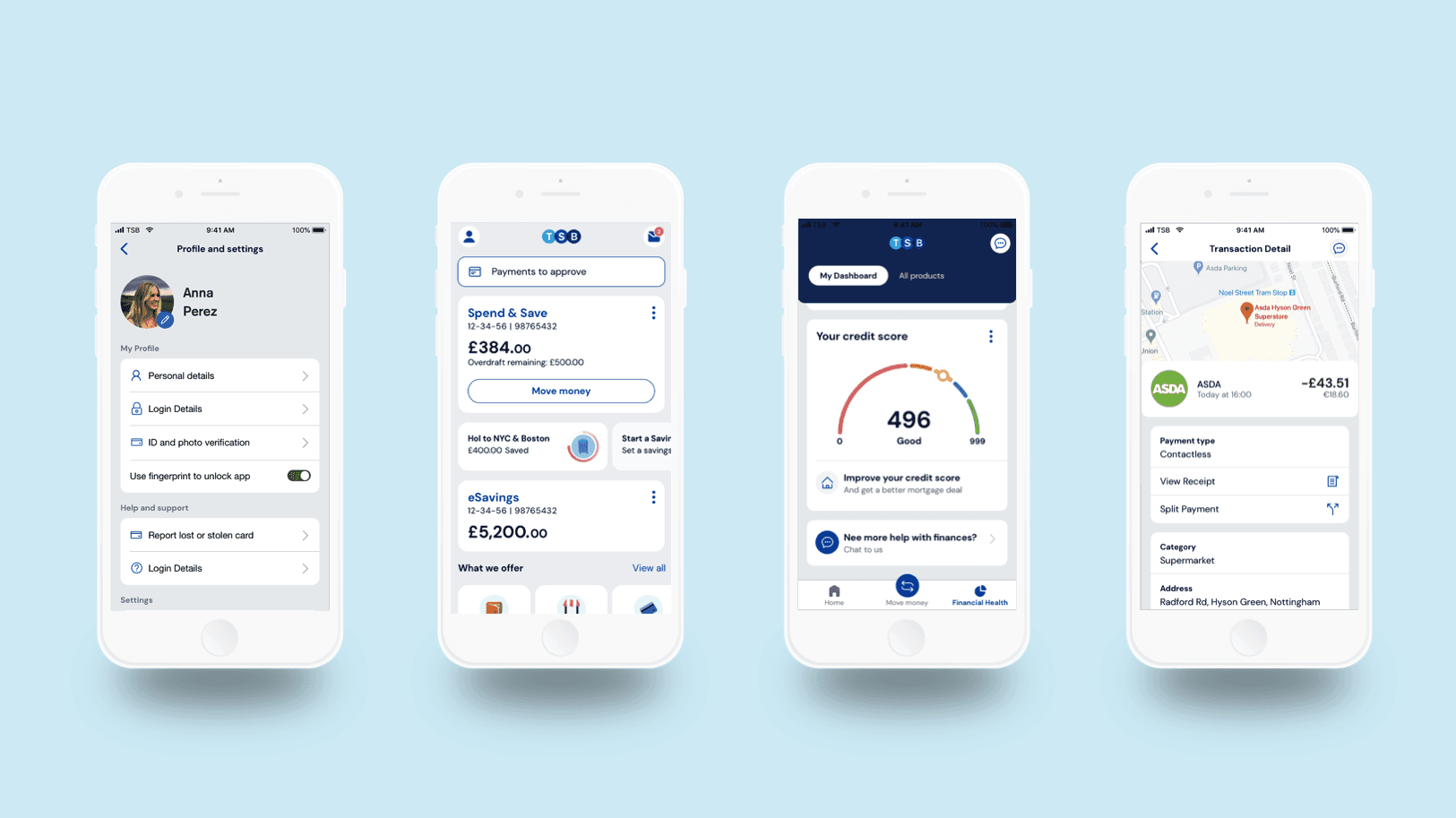
The redesign focused on making everyday banking feel simpler, clearer, and more predictable.
Complex flows were broken into manageable steps, unnecessary friction was removed, and clearer feedback helped customers understand what was happening and what to do next.
Particular attention was given to onboarding and identity verification, where reducing uncertainty and making progress visible directly impacted completion and trust.
At the same time, the design system created greater consistency across the app and enabled teams to deliver improvements faster and more collaboratively.
Outcomes
App Store rating improved from 1.8 → 4.6
Onboarding conversion increased from 30% → 85%
+20% uplift in digital sales
Reduced onboarding abandonment, particularly during ID verification
Improved consistency across core journeys
Faster and more scalable delivery through reusable patterns and iterative delivery
The app evolved from a fragmented experience into a more coherent digital banking product that customers could trust and navigate more confidently.